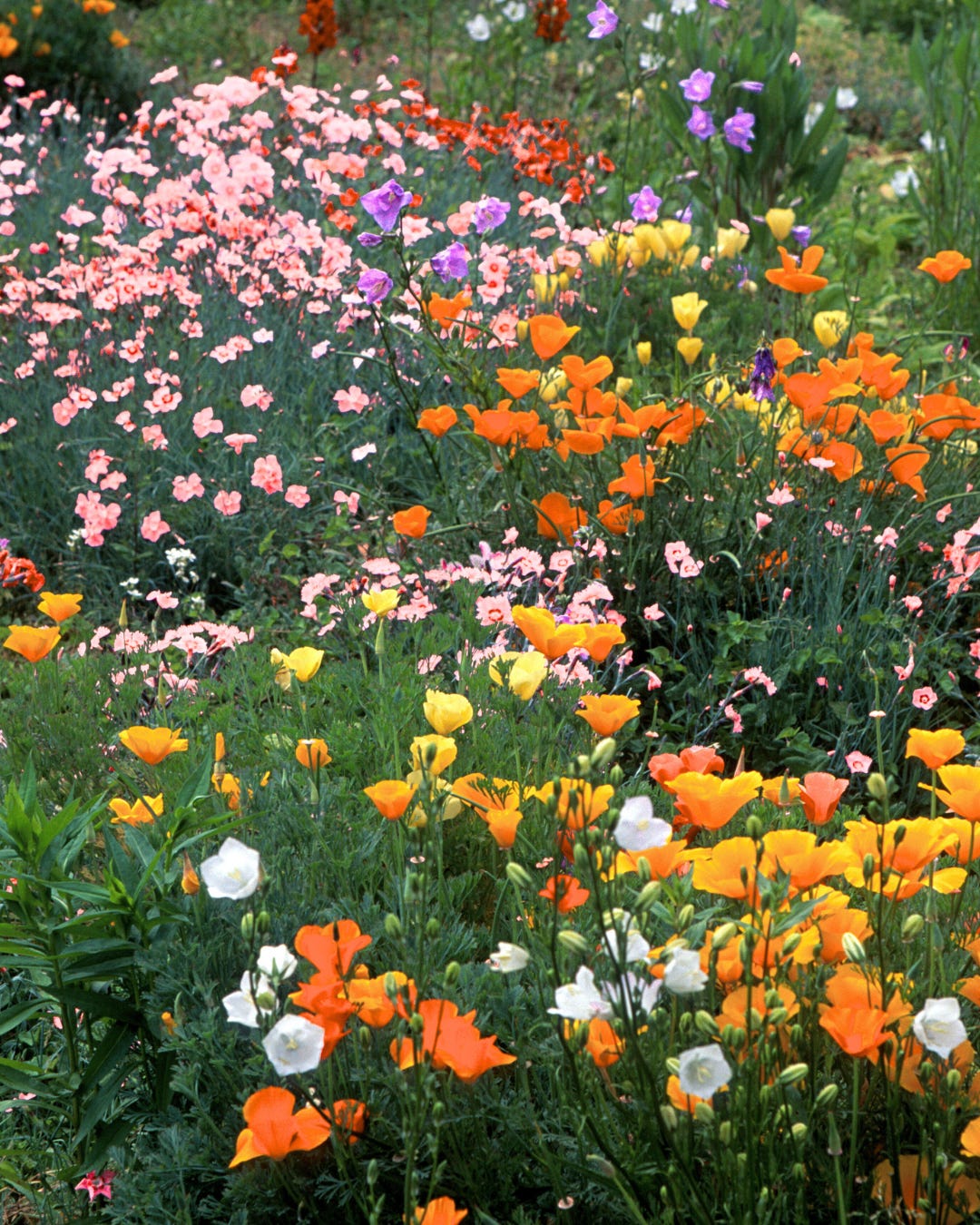
You cannot make a person grow by force of will - including (and perhaps most especially) yourself. You can only prepare the conditions and get out of the way.
Anyone who has kept even one plant alive for more than a season already knows something most self-improvement content refuses to admit.
You cannot make living beings grow. You can water a plant, place it where the light falls right, turn the soil so its roots have somewhere to go. But then the plant does the part no one else can do for it. It grows, or it doesn’t, according to something happening inside it that has nothing to do with how badly you wanted the outcome.
I think about this gardening metaphor constantly in my interactions with people, especially in the coaching and education spheres.
So much of what passes for “self-improvement” treats a person like a machine instead of a plant: install the habit, run the process, expect the same output every time, for everyone, regardless of who they were before they started. Witness the 21-day tracker. Or, the framework that promises identical transformation to anyone willing to follow the steps in order. It’s a comforting idea, because it puts the outcome entirely in the coach’s / teacher’s hands. It’s also wrong, for the same reason it would be wrong to yell at a seedling for growing too slowly.
There are two ways to think about growing a person, and nearly everything else follows from which one you believe. The machine model says: install, optimize, expect uniform results. The garden model says: growth belongs to the organism itself. Conditions matter enormously — light, water, soil, the whole environment around it — but even the best conditions don’t produce identical plants. A good garden supports the fullest expression of whatever was already trying to grow there, and every single plant in it ends up different from the one beside it.
A gardener prepares. That’s most of the job, and if it’s humbler it’s also in many ways more demanding than what most people expect. Water when the plant needs water, not on a schedule that fits your calendar. Make sure there’s light, though some plants do better with full sunlight while others thrive in shadier conditions. Observe. Really be present and pay attention, so you can make adjustments suited to each individual.
No one would try to “reach into a plant and rearrange it by hand”, forcing growth in a direction it wasn’t ready for, no matter how sure one is that direction is correct. Yet, the very models of standardized education or scalable coaching operate on that kind of assumption.
The gardener’s whole skill is indirect. Creating conditions, not dictating outcomes. Character isn’t installed the way software is installed. There’s no update that guarantees the next version of you arrives on schedule, however much either of us wishes there were.
Many people, adults and young students, just want to be handed an outcome. They want to be told exactly what to do, with a guarantee that doing it produces the person they’re trying to become. Unfortunately, such guarantee has never existed, and we’re not going to promise one just because it would make for an easier pitch. What you get, if you’re honest with yourself about it, is conditions. The growing is yours.
So what is this Institute building toward, if not that guarantee? We’re not necessarily after a loyal audience, and we’re certainly not aiming for a following that keeps coming back because the content keeps landing in the right way at the right time. The real measure, the one that matters most to me personally, is one that ultimately stretches the garden metaphor beyond its limits.
The ideal would be a garden in which the plants eventually become gardeners in their own right, i.e. people who grow through the well=prepared environment and then become capable of preparing new careful environments that support others to flourish.
That’s the whole ambition here. Not to keep you. To make you capable of doing this for others, ultimately without us.
Which raises the obvious question: if growth can’t be forced, why does the environment matter this much? Because the soil isn’t irrelevant just because it can’t force the seed. It’s the entire difference between a plant that barely survives and one that becomes capable of full flowering.
So, what is the equivalent of soil, water, and sunlight for an adult human being striving to flourish and live a life of excellence?
That’s where we’re going next.
(To be continued…)